Cars and pickups only
This suits office, retail and apartment lots where nothing heavier than a pickup comes through. One even slab thickness across the whole lot keeps the job simple, and it's usually the lower-cost way to pave.
Potholes, ruts or a lot that's outgrown its traffic? We plan and pour concrete pavement built for the cars and trucks you actually get.
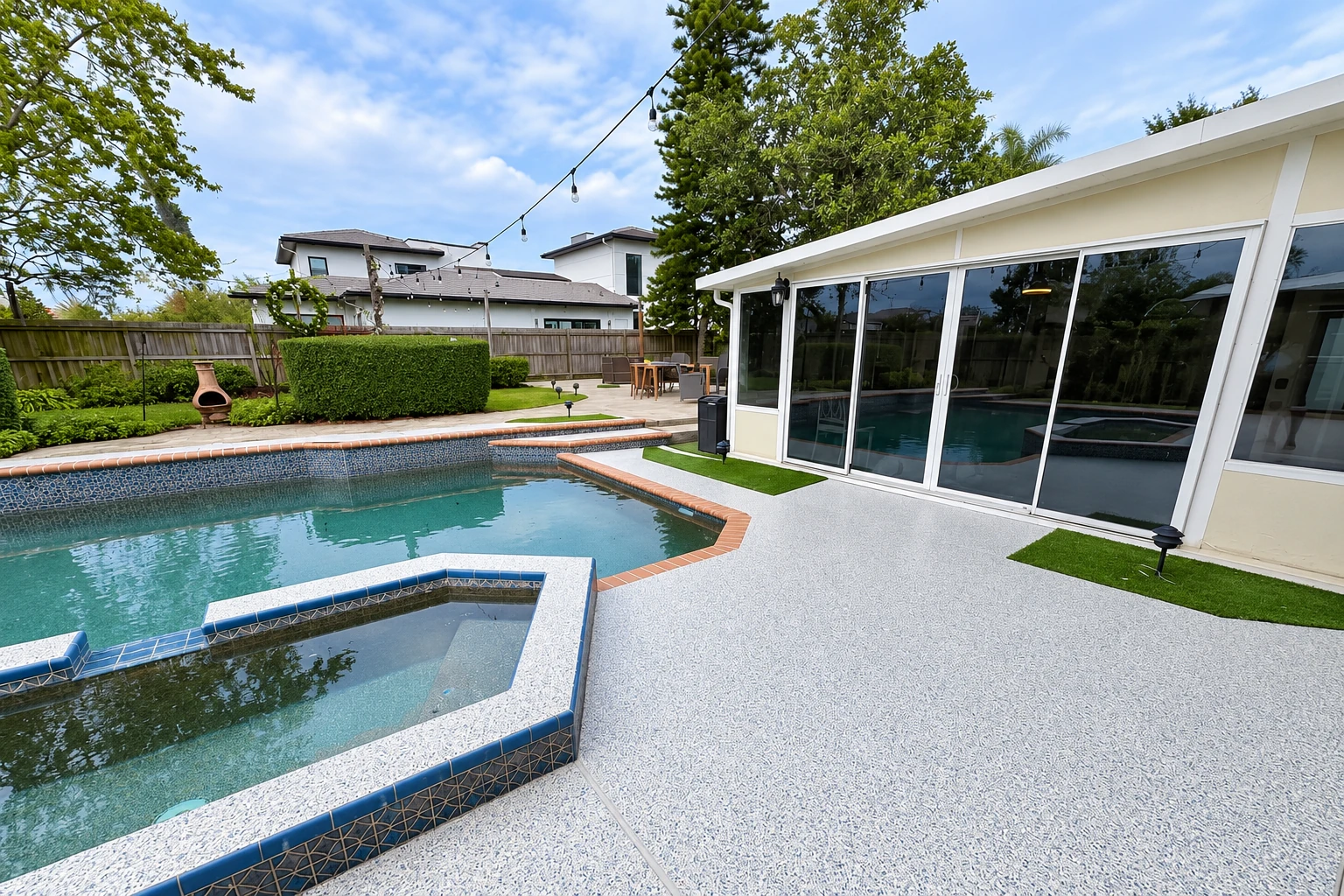
Concrete parking lot building in Port Hueneme means preparing the ground, then forming and pouring a concrete slab sized to the cars and trucks that will use it. The surface resists rutting and shoving under turning wheels, and it drains with only a gentle slope. Once the pour is done, plan on keeping the lot closed for several days while the concrete gains strength.
Most lots we're called about are cracked, patched asphalt, a gravel lot that turns to mud in the rain, or a new building where the plans just say "parking." The price mostly moves with the size of the lot, how thick the slab has to be for the heaviest vehicles on it, and how much soft or uneven ground has to come out first. The schedule turns on that ground work and on the days the lot stays closed after the pour. I'll walk the site and give you both in a written estimate that spells out what's included. Once it's down, concrete asks for fairly little upkeep, which is a big part of why owners make the switch.
I learned concrete pouring commercial slabs, footings and parking lots for a big outfit before starting this business in Port Hueneme in 2017. I come out myself to look at your lot and write the estimate, and our own crew does the forming, pouring and finishing.
We're licensed and fully insured. California's contractor licensing board describes a concrete class that covers forming, pouring and finishing pavement and flat concrete work, and that's the work a parking lot is made of, from the base to the final broom pass.
The ground underneath, the joints and the curing decide how a lot holds up, so that's where I spend the time and the explaining. Your satisfaction, guaranteed. Call (805) 269-8744 or send the form, and I'll come out and talk your lot through.
Send the form with your site address, about how many spaces you need and what kinds of vehicles will use the lot, and we'll reply within one business day to set up a visit. I'll come out to look at the site and write a free estimate that shows what's included, with no obligation to book.
Port Hueneme has proposed new standards for parking lots at apartment and business properties. They're still a proposal, but they're worth planning around now, because curbs and planting areas get set before the pour, not cut in after. Under the proposal, an open lot with more than four spaces would need landscaping, with planting areas edged in concrete curb, and at least 35% of the lot would be shaded by grown trees, carports topped with solar panels, or both. A business lot across the street from homes would also need a visual barrier. We'll lay out islands, curbs and carport footings with you at the estimate so the slab fits whatever the city settles on, and the city is the one to confirm what applies to your site.
We're based in Port Hueneme and pour lots in cities all around it, from Oxnard and Ventura to Camarillo, Thousand Oaks and beyond. Around here we mostly see older asphalt lots behind small shops and apartment buildings that have cracked and sunk where the trucks turn, on flat ground where getting rain off the lot takes some planning. If you'd like to know whether your address sits in a mapped earthquake hazard zone, the state's EQ Zapp map will show you, or tell you the area hasn't been evaluated yet.
The cost of a concrete lot comes down to its size, how thick the slab needs to be for the heaviest vehicles, and how much ground work comes before the pour. Thickening only the truck lanes, a simple layout and firm, even soil all bring it down, while extra curbs, islands and soft ground push it up. I'll give you your own figure in a written estimate after I've seen the site.
Start with the vehicles you expect, because a lot for cars and pickups usually needs a thinner slab than one that serves light trucks. The soil under the slab and the strength of the concrete count too, and that guidance is national, so I check your ground before settling on a thickness.
Industry guidance is to keep cars off a new slab for 3 days and trucks off for 7 days, unless tests show the concrete has already gained enough strength. That's the time it needs to harden before it carries weight. We'll help you plan where staff, tenants or customers park in the meantime, and on a big lot we can sometimes pour in sections so part of it stays open.
It may if the lot serves apartments or a business, because the city has proposed landscaping, shade and screening standards for those lots, covered in the Port Hueneme section above. Since they're still proposed, we plan the curbs, planting areas and any carport footings into the layout before the pour.
It can be if you'd like rain to soak through the lot instead of running off it, since pervious concrete has gaps that let water pass into a rock layer below, where it's stored and seeps into the ground. It's touchier to cure, though. Guidance written for state highway projects warns that it loses strength if it's left uncovered before a full 7 days, and the surface can ravel, shedding loose stones, soon after it goes in.